
Our Veterinary Blog: Your Source for Pet Health Tips in Danbury, CT
Why is my dog suddenly scratching so much? How often does my cat really need a dental cleaning? Is that new behavior something to worry about, or simply something to keep an eye on? Caring for a pet comes with plenty of questions, and reliable answers can help you feel more confident about what to do next.
Browse our veterinary blog below to find answers, tips, and insights from the Plumtrees team.

Start with the water bowl. How to prevent urinary blockage in cats comes down to a handful of everyday habits: encouraging plenty of drinking, following your veterinarian’s advice on diet and weight, easing stress at home, and acting quickly at the first sign of litter box trouble. No routine can guarantee that a cat never…
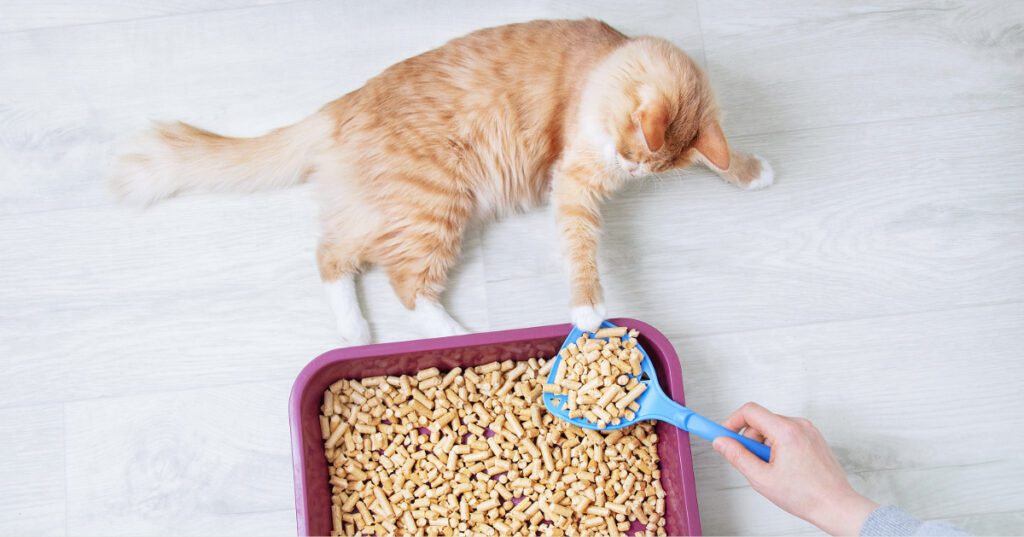
Think of a male cat’s urethra as a very narrow drain, and it becomes easy to see how a small amount of debris can cause a big problem. So what causes a urinary blockage in cats? Usually it is some combination of urinary crystals or stones, soft mucus plugs, and bladder inflammation, all crowding into…

Your cat squats in the litter box again and again, yet nothing comes out. Those repeated, unproductive trips are among the most common cat urinary blockage symptoms, and a cat who cannot urinate needs emergency veterinary care right away. A urinary blockage can turn dangerous within a day or two, so quick recognition matters more…

The honest answer to how to prevent Cushing’s disease in dogs is that most cases cannot be prevented, because they begin with a small tumor on the pituitary or adrenal gland. You can, however, lower the odds of the medication-related form by using steroids only as your veterinarian directs, and you can catch the natural…
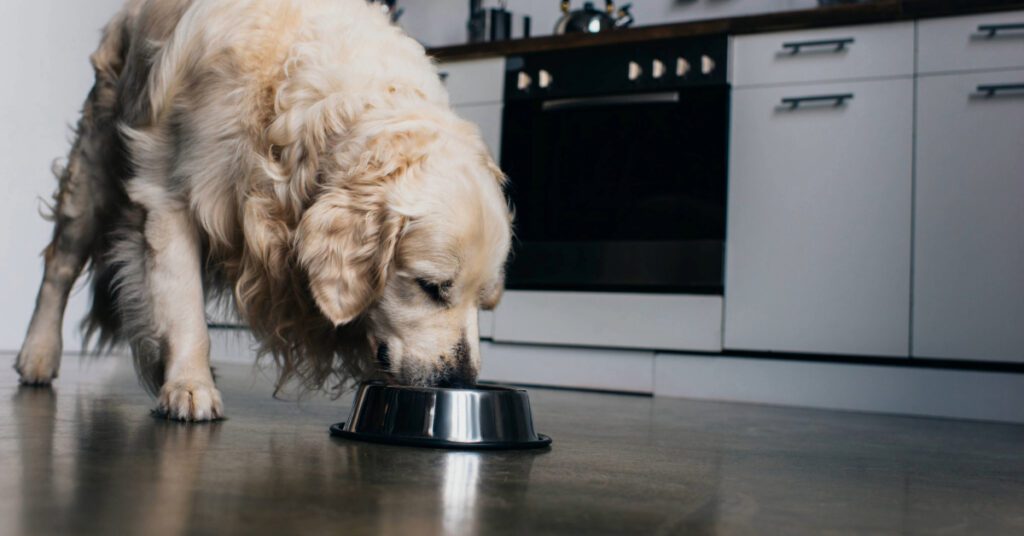
What should go in the bowl of a dog with Cushing’s disease? The Cushing’s disease dog diet usually features high-quality protein, controlled fat, and steady portions that help a dog hold a healthy weight, and your veterinarian may suggest a specific commercial or prescription food based on your dog’s lab results. Food supports the medical…

Treatment for Cushing’s disease in dogs usually centers on a daily prescription medication, most often trilostane, that lowers the amount of cortisol a dog’s adrenal glands produce. Some dogs with an adrenal tumor may be candidates for surgery, and a veterinarian may suggest watching and waiting when a dog shows only very mild signs. The…
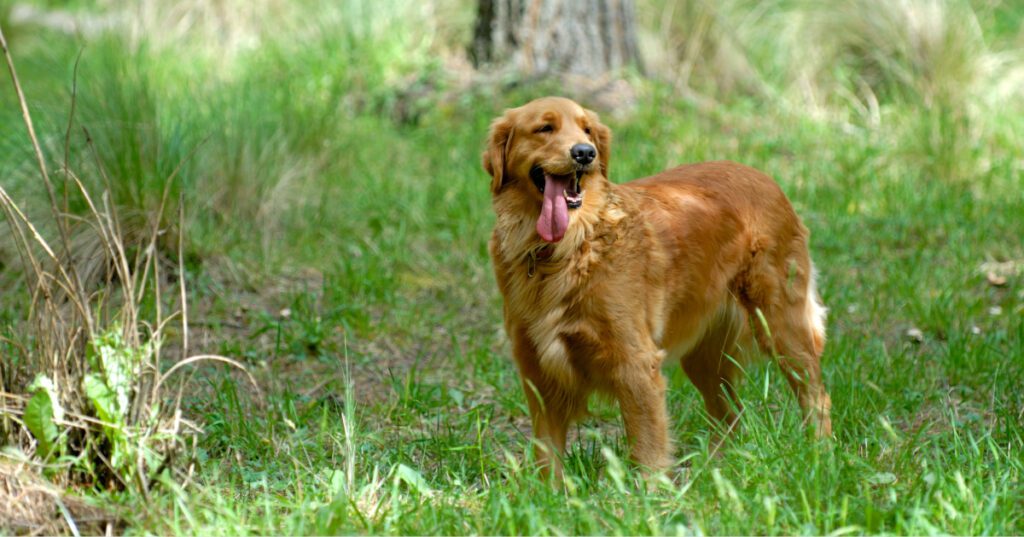
Why is my dog breathing fast? Fast breathing in dogs, known as tachypnea, can be completely normal after exercise or excitement, but it can also signal pain, heat stress, or an underlying medical condition when it happens at rest. Trying to figure out why your dog is breathing fast can be stressful, especially when it’s…
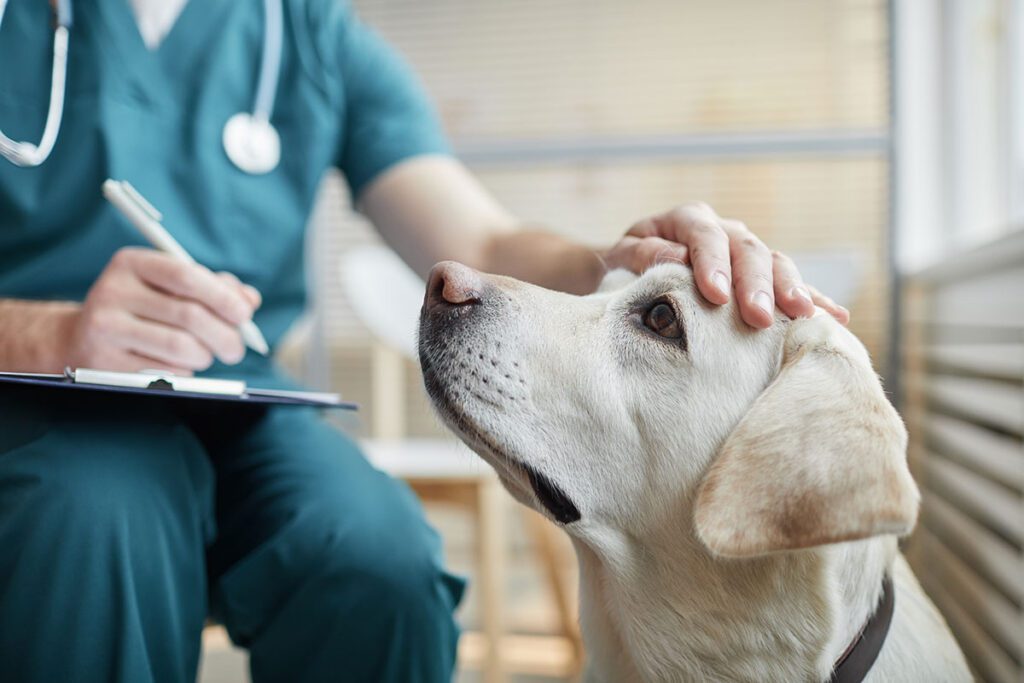
A heart murmur in dogs is an abnormal whooshing or swishing sound heard between normal heartbeats, caused by turbulent blood flow through the heart. Hearing that your dog has a heart murmur during a routine visit can be unsettling, but a dog heart murmur doesn’t automatically mean something is seriously wrong. At Plumtrees Animal Hospital…

The earliest signs of heart failure in dogs typically include a persistent cough, fatigue during normal activity, and labored breathing, especially at rest or overnight. Heart failure isn’t a single disease but rather the result of the heart no longer being able to pump blood efficiently enough to meet the body’s needs. Because the early…

Yes, snake plants are toxic to dogs if chewed or eaten, though the reaction is typically mild to moderate rather than life-threatening. If you’re a plant lover and a dog owner in Danbury, you’ve probably wondered at some point whether the greenery around your home is safe for your curious companion. Snake plants (Sansevieria trifasciata,…
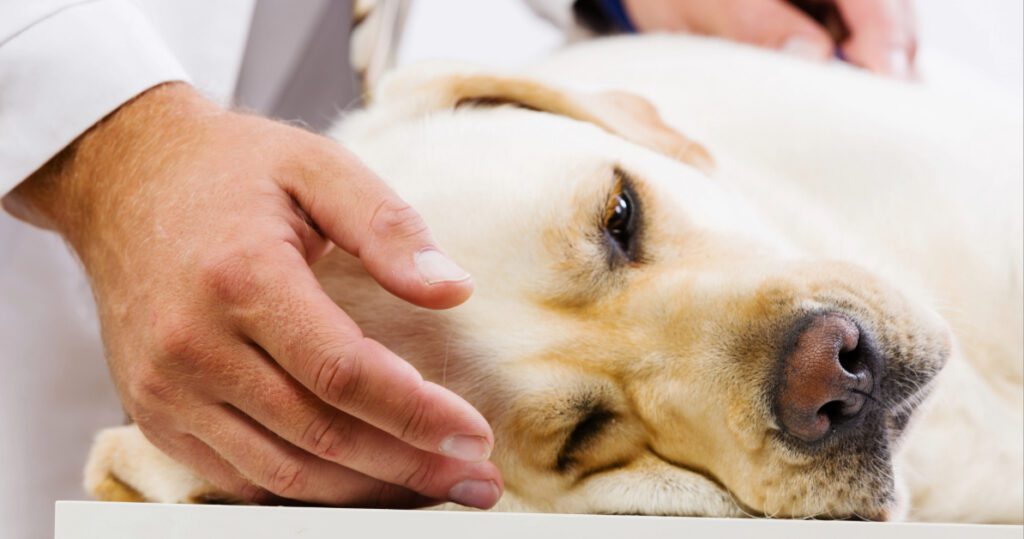
If you’re wondering, “Why is my dog throwing up blood?”, blood in your dog’s vomit signals irritation or bleeding somewhere in the upper gastrointestinal tract. It’s a symptom that always warrants a call to your veterinarian. Seeing blood in your dog’s vomit is one of the more alarming things a pet owner can witness, and…

If your dog is drooling, vomiting, trembling, or suddenly won’t eat, these are among the most common signs your dog ate something toxic, and you should contact Plumtrees Animal Hospital right away. Dogs are curious by nature, and that curiosity often leads them straight to the one thing in the house or yard they should…