
Cushing’s Disease Dog Diet
What should go in the bowl of a dog with Cushing’s disease? The Cushing’s disease dog diet usually features high-quality protein, controlled fat, and steady portions that help a dog hold a healthy weight, and your veterinarian may suggest a specific commercial or prescription food based on your dog’s lab results. Food supports the medical treatment plan. It does not replace it.
Many owners notice their dog begging for every crumb after a Cushing’s diagnosis, and that extra hunger can turn mealtime into a daily negotiation. This guide from Plumtrees Animal Hospital in Danbury, CT explains what a thoughtful feeding plan looks like, why nutrition matters when a dog has excess cortisol, which treats deserve a second look, and how to handle the hunger without guilt.
What Is the Best Dog Food for Cushing’s Disease?
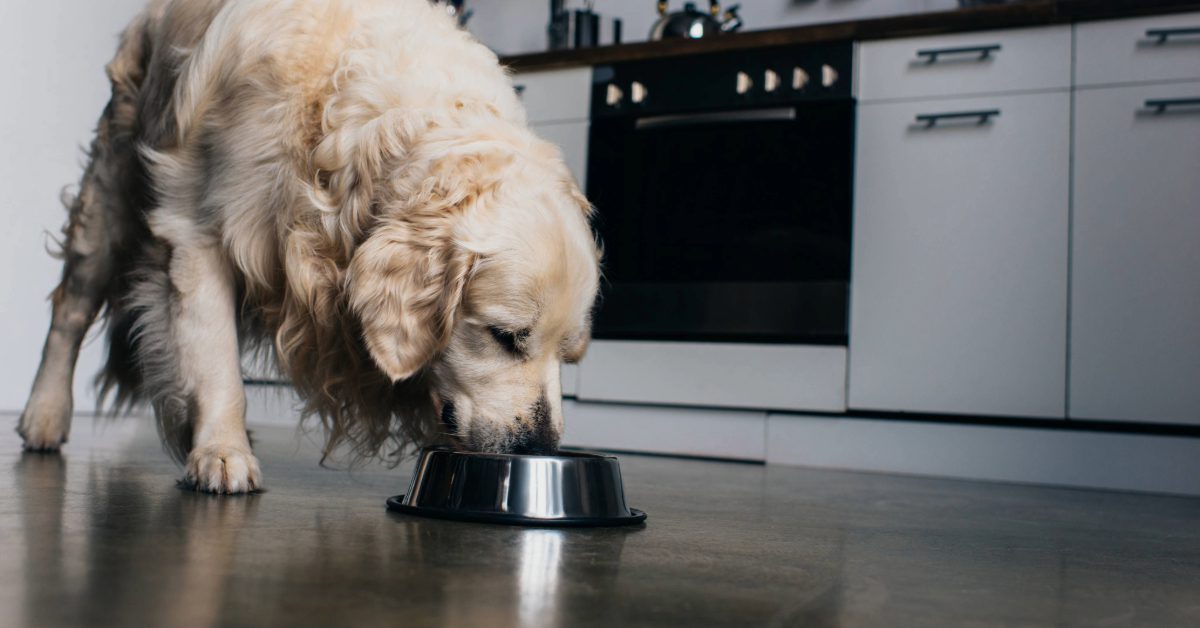
No single brand wins for every dog, because each dog arrives with different bloodwork, body weight, and companion health conditions. The best Cushing disease diet for one dog may look quite different from the best one for another, and your veterinarian is the right person to choose it after seeing the full picture.
What Do Veterinarians Look for in a Food?
Dogs with Cushing’s disease can be prone to weight gain, high blood fats, muscle loss, and sometimes diabetes or pancreatitis. Veterinarians often weigh these nutrition goals when they recommend a diet:
- High-quality protein: supports muscle, which excess cortisol can break down over time.
- Controlled fat: helps limit calorie intake and may ease strain on the pancreas.
- Moderate fiber: promotes fullness and steady digestion.
- Balanced calories: supports a healthy weight without leaving a dog constantly hungry.
Prescription Diets Versus Over-the-Counter Foods
Some dogs do well on a complete and balanced commercial food from the pet store. Others benefit from a veterinary therapeutic diet designed for conditions like pancreatitis, high cholesterol, or diabetes, which sometimes travel alongside Cushing’s. Pet food labels can feel overwhelming, and marketing phrases such as “natural” or “senior formula” do not tell you whether a food suits a dog with a hormone disorder. Look for a statement that the food is complete and balanced for your dog’s life stage, then let your veterinarian help you interpret the rest.
Wet, dry, and fresh-style foods can all work. Canned food contains more water, which can help a dog feel full on fewer calories, while dry food offers convenience and easy measuring. Your veterinarian can help you weigh the pros and cons of each for your dog, and can suggest a gradual switch so your dog’s stomach has time to adjust whenever the food changes.
Why Does Diet Matter for a Dog With Cushing’s Disease?
Cortisol touches nearly every system in the body, so a dog with too much of it often shows changes in appetite, weight, muscle tone, and energy. Food cannot fix the hormone imbalance, but smart feeding can make a real difference in how your dog feels day to day.
Medication Treats the Cause, Diet Supports the Dog
Prescription medication, and in some cases surgery, targets the root problem. A well-planned Cushing’s disease dog diet works beside that treatment by supporting a lean body, steady energy, and healthy digestion. Think of nutrition as the supporting cast rather than the lead role. Relying on food alone will not bring cortisol under control, so any feeding changes belong inside the larger plan your veterinarian creates.
Why Do Dogs With Cushing’s Disease Act So Hungry?
Excess cortisol revs up the appetite, which is why many dogs with Cushing’s disease raid trash cans, swipe food from counters, and stare you down at dinner. That hunger is a symptom, not a training failure. It also raises the odds of weight gain, and extra pounds strain joints, breathing, and blood sugar control. Many owners find that appetite settles somewhat once treatment starts working, although every dog responds differently. Cushing’s disease also increases thirst and urination, so fresh water should always be within easy reach, and a dog who suddenly seems much thirstier than usual is worth a call to your veterinarian.
Which Foods and Treats Deserve a Second Look?
Treats and table scraps add up quickly, especially when a dog begs with real conviction. A few categories call for a conversation with your veterinarian before they land in the bowl.
Foods to Discuss Before Serving
- Fatty table scraps, bacon, sausage, and greasy leftovers, which can upset the pancreas
- Sugary snacks and high-carb treats that can push blood sugar up
- Rich, high-fat chews and treats that pack in extra calories
- Foods that are unsafe for any dog, including grapes, raisins, onions, chocolate, and anything sweetened with xylitol
One stolen bite is rarely a crisis, but regular fatty indulgences add up. Tell your veterinarian about any vomiting, diarrhea, or belly discomfort after your dog eats something rich.
What About Homemade Diets and Supplements?
Plenty of owners want to cook for a dog with a health condition, and the instinct comes from a loving place. Homemade recipes often miss key nutrients, though, so a board-certified veterinary nutritionist should formulate any home-cooked plan. Supplements deserve the same caution, because some products interact with medications or affect lab results. Run every new addition past your veterinarian first.
Smarter Treat Choices
Ask your veterinarian which low-calorie rewards suit your dog. Some veterinarians approve small portions of dog-safe vegetables or a portion of your dog’s regular food used as a reward. Counting every treat toward the daily calorie budget prevents surprises on the scale.
How Can You Handle a Hungry Dog With Cushing’s Disease?
Living with a dog who acts starved can wear down even the most patient household. A few routine tweaks, cleared with your veterinarian, can make mealtimes calmer.
Build a Predictable Feeding Routine
Measured meals at consistent times help your dog know what to expect, and they let you track how much your dog eats each day. A steady diet routine also gives your veterinarian useful information at recheck visits. Family cooperation helps, too. When everyone in the house agrees on who feeds the dog and what counts as a treat, mixed signals disappear and the daily calorie count stays easier to track. Some medications are given with food, so ask your veterinarian how mealtimes and medication times should fit together.
Make Meals Last Longer
Slow-feeder bowls, puzzle toys, and snuffle mats stretch out eating time and give a busy mind something to do. Short walks and play sessions burn off both calories and restless energy, as long as your dog’s stamina allows. Resist the urge to answer every pleading look with a snack, because a dog who gets a handout each time quickly learns that begging works. Redirect with a favorite toy, a gentle game, or a few minutes of attention instead.
Know When to Call
Tell your veterinarian if your dog’s appetite suddenly drops, because a dog with Cushing’s who stops eating needs a prompt exam. Rapid weight loss or gain also deserves a phone call.
Questions to Bring to Your Dog’s Next Visit
Every Cushing’s case is different, so the most useful feeding advice comes from a veterinarian who knows your dog’s lab work and medical history. Before your next appointment, jot down your questions and write out your dog’s current menu, treats included. Snapping a photo of your dog’s food labels can speed things up. These prompts can get the conversation started:
- Which food, prescription or over-the-counter, fits my dog’s bloodwork?
- How many calories should my dog eat each day, and how should I split the meals?
- Which treats are safe, and how many can my dog have?
- Do any supplements or homemade additions make sense for my dog?
- How should feeding times line up with medication times?
Our team at Plumtrees Animal Hospital in Danbury, CT can help you build a Cushing’s disease dog diet that fits your dog’s needs and your household routine. Call (203) 748-8878 to schedule a visit and bring that list along.
Recent Posts
About Us
At Plumtrees Animal Hospital in Danbury, CT, we combine the familiarity of a local, family-owned practice with advanced diagnostics, emergency care, and access to visiting veterinary specialists.