

Cat Urinary Blockage Symptoms
Your cat squats in the litter box again and again, yet nothing comes out. Those repeated, unproductive trips are among the most common cat urinary blockage symptoms, and a cat who cannot urinate needs emergency veterinary care right away.
A urinary blockage can turn dangerous within a day or two, so quick recognition matters more than almost anything else you can do for your cat. This guide from Plumtrees Animal Hospital in Danbury, CT walks through the warning signs, explains why blockages happen, shows how to tell them apart from ordinary litter box trouble, and describes what treatment involves so you know what to expect. Think of it as a quick reference to return to whenever your cat’s bathroom habits seem off.
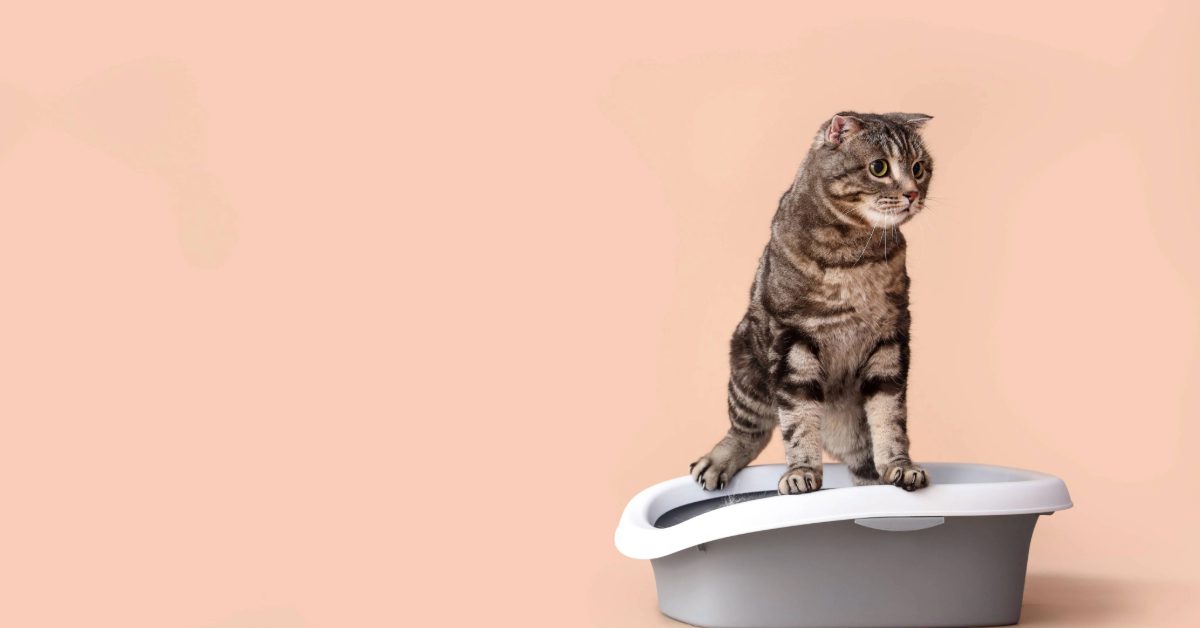
Signs of Urinary Blockage in Cats
A blockage happens when the urethra, the narrow tube that carries urine out of the bladder, becomes plugged. Urine backs up, the bladder swells, and your cat feels more miserable by the hour. Knowing the early signs gives you a head start.
Urinary Blockage Symptoms to Watch For
- Straining in the litter box with little or no urine produced
- Many quick trips to the box, often yielding only a few drops or nothing at all
- Crying, yowling, or growling while trying to urinate
- Licking the genital area more than usual
- Blood-tinged or pink urine
- Urinating outside the box, sometimes on cool, smooth surfaces such as tile or a bathtub
- Restlessness, hiding, or a sudden change in personality
Signs That Mean the Situation Is Getting Worse
As a blockage continues, waste products and potassium build up in the bloodstream. Cats may stop eating, vomit, turn weak or lethargic, feel cold to the touch, or collapse. A firm, painful belly can also develop. Any of these signs alongside straining means your cat needs help immediately.
Many owners first notice the change in the litter box itself: a clump that is smaller than usual, no clump at all, or urine in an unusual spot. A quick daily scoop gives you a simple read on how much urine your cat is passing. Because cats hide discomfort, a blocked cat may also seem quiet or withdrawn, so trust a hunch that something is wrong, even when the signs look subtle.
What Causes a Urinary Blockage in Cats?
Several conditions can narrow or plug the urethra, and veterinarians often group them under the umbrella of feline lower urinary tract disease, or FLUTD.
Common Culprits Behind a Blockage
Tiny crystals and stones can form in the bladder and lodge in the urethra. Mucus, cells, and debris can clump into a soft plug. Inflammation of the bladder, which stress and other triggers can set off, makes swelling and spasms more likely. Less often, a tumor or scar tissue narrows the passage.
Diet and hydration play a role as well. Concentrated urine makes crystals more likely to form, which is one reason veterinarians talk so much about water intake for cats prone to urinary problems. Often more than one factor is at work, so your veterinarian looks at the whole picture instead of hunting for a single cause.
Which Cats Face a Higher Risk?
Any cat can develop urinary trouble, but blockages occur far more often in males because their urethra is longer and narrower. Other factors that raise the odds include:
- Carrying extra weight or getting little exercise
- Living indoors with limited stimulation
- Drinking less water than a cat should
- Stress from moves, new pets, or household changes
- Being a young or middle-aged adult
A risk factor does not mean your cat will block. It simply means a conversation with your veterinarian about water access, diet, and stress is worth having, especially for male cats and cats with a history of urinary trouble.
How Can You Tell Cat Urinary Blockage Symptoms From a Routine Litter Box Problem?
Litter box changes have many possible causes, which makes it hard to know when to worry. A few clues help you separate a true emergency from a nuisance.
Blocked or Just Going Outside the Box?
A cat who urinates in odd places may have a bladder infection, inflammation, stress, or a behavior issue, yet still passes plenty of urine. A blocked cat tries to urinate and cannot. The difference is output. If you see straining with little or no urine, treat it as an emergency, even when your cat otherwise seems like their usual self. Other problems, including bladder infections and stones, can also cause straining and blood in the urine, which is another reason to let your veterinarian sort things out. Even if a blockage turns out not to be the culprit, your cat is uncomfortable and deserves relief.
Why Waiting Is Risky
Watching and waiting is tempting, especially late at night. A blocked cat can decline quickly, though. Dangerous potassium levels and kidney damage can develop within roughly one to three days, and the heart can be affected too. Treatment that starts early generally goes more smoothly than treatment delayed until a cat collapses.
Not Sure? Make the Call
You do not need to be certain it is a blockage. A quick phone call to your veterinary team can sort out whether your cat needs to be seen right now. Do not give any human medications, and do not press on your cat’s belly, because a swollen bladder is fragile and painful.
What Happens at Plumtree Animal Hospital?
Recognizing cat urinary blockage symptoms early sets the stage for a visit that moves quickly. Here is what typically happens once you arrive.
Exam and Diagnosis
Your veterinarian feels the abdomen for an overfilled bladder, checks your cat’s heart rate and temperature, and usually runs bloodwork to look at kidney values and electrolytes such as potassium. Urine testing and imaging, such as X-rays or ultrasound, may follow to look for stones or crystals.
Treatment Overview
Treatment generally involves stabilizing your cat, relieving the blockage with a urinary catheter under sedation or anesthesia, and providing IV fluids and pain relief. Many cats stay in the hospital for a few days while kidney values improve. After discharge, your veterinarian may recommend a special diet, ways to encourage drinking, medication, and recheck visits. In some repeat cases, a surgery called a perineal urethrostomy may enter the conversation.
Recurrence is a real concern, which is why follow-up matters. Veterinarians commonly recheck urine and kidney values after discharge and talk with owners about changes at home that support bladder health. Staying in close touch with your veterinary team after the crisis passes gives your cat the best chance at a smooth recovery.
Before You Leave Home
A few quick steps make the trip smoother:
- Call our hospital so our team can prepare for your arrival.
- Note when your cat last urinated and which signs you have seen.
- Bring a list of medications, supplements, and the food your cat eats.
- Transport your cat in a secure carrier and handle them gently.
When in Doubt, Pick Up the Phone
Cats excel at hiding discomfort, so the small changes you notice at the litter box may be the only warning you get. Trust your instincts. If your cat’s bathroom habits look off, or you spot cat urinary blockage symptoms such as straining, crying, or tiny or missing puddles, call Plumtrees Animal Hospital in Danbury, CT at (203) 748-8878 right away. If the hospital is closed, contact the nearest emergency veterinary clinic instead of waiting for morning.
Once the crisis passes, your veterinary team can talk through diet, hydration, litter box setup, and stress reduction to help lower the chance of a repeat episode. Small steps, such as extra water bowls, a clean box, and a calmer routine, often make sense, and your veterinarian can tailor them to your cat. Until then, remember one rule: a cat who strains and cannot pass urine cannot wait until tomorrow.
Recent Posts
About Us
At Plumtrees Animal Hospital in Danbury, CT, we combine the familiarity of a local, family-owned practice with advanced diagnostics, emergency care, and access to visiting veterinary specialists.