
Lab Work, X-Rays & Ultrasound with Veterinary Diagnostics in Danbury, CT
Sometimes a physical exam tells us exactly what we need to know. Other times, the most important clues are happening beneath the surface. A change in appetite, unexplained weight loss, persistent vomiting, coughing, unusual fatigue, or abnormal exam finding may all be reasons to take a closer look.
Plumtrees Animal Hospital offers veterinary diagnostics to help our Danbury, CT veterinarians investigate symptoms, screen for underlying disease, and make informed treatment decisions. With laboratory testing, bloodwork, X-rays, ultrasound, and access to visiting cardiology and internal medicine specialists, we can pursue answers without automatically sending your pet elsewhere.
If your pet isn’t acting like themselves or is due for routine screening tests, call Plumtrees Animal Hospital or request an appointment online.
When Does My Pet Need Diagnostic Testing?
Veterinary diagnostics give us information that cannot always be gathered from a physical examination alone. Testing may be recommended when your pet is sick, injured, experiencing unexplained symptoms, or needs closer monitoring for an existing condition.
Diagnostics can also be valuable when a pet appears healthy. Routine screening can establish baseline values and sometimes identify changes before they become obvious at home. Assessing your pet’s health status prior to anesthesia and surgery is also recommended.
Your veterinarian may recommend testing for symptoms such as:
- Vomiting or diarrhea
- Changes in appetite or thirst
- Unexplained weight loss or gain
- Coughing or breathing changes
- Lethargy or weakness
- Limping or signs of pain
- Increased urination
- Abdominal discomfort or swelling
- Fainting or collapse
- A newly detected heart murmur
- Changes found during a wellness exam

What Can Lab Tests and Bloodwork Tell Us About My Pet?
Bloodwork and other laboratory tests provide a look at how different systems within your pet’s body are functioning. Depending on the reason for testing, bloodwork can help our veterinarians evaluate areas such as red and white blood cells, platelets, organ function, blood sugar, proteins, electrolytes, and other important health markers. Results are interpreted alongside your pet’s symptoms, physical examination, medical history, and any other diagnostic findings.
Laboratory testing may be recommended for:
- Routine wellness screening
- Senior pet monitoring
- Pre-anesthetic evaluation
- Unexplained illness
- Monitoring chronic medical conditions
- Evaluating a response to treatment
What Can Veterinary X-Rays Detect?
X-rays, or radiographs, allow us to examine structures inside the body without surgery. They are particularly useful for evaluating bones, joints, the chest, and portions of the abdomen.
Depending on your pet’s symptoms, X-rays may help identify or investigate:
- Broken bones and orthopedic injuries
- Joint abnormalities
- Changes involving the lungs
- Heart size and shape
- Certain foreign objects
- Abnormalities within the abdomen
- Some masses or changes in organ size
When Might My Pet Need an Ultrasound or Echocardiogram?
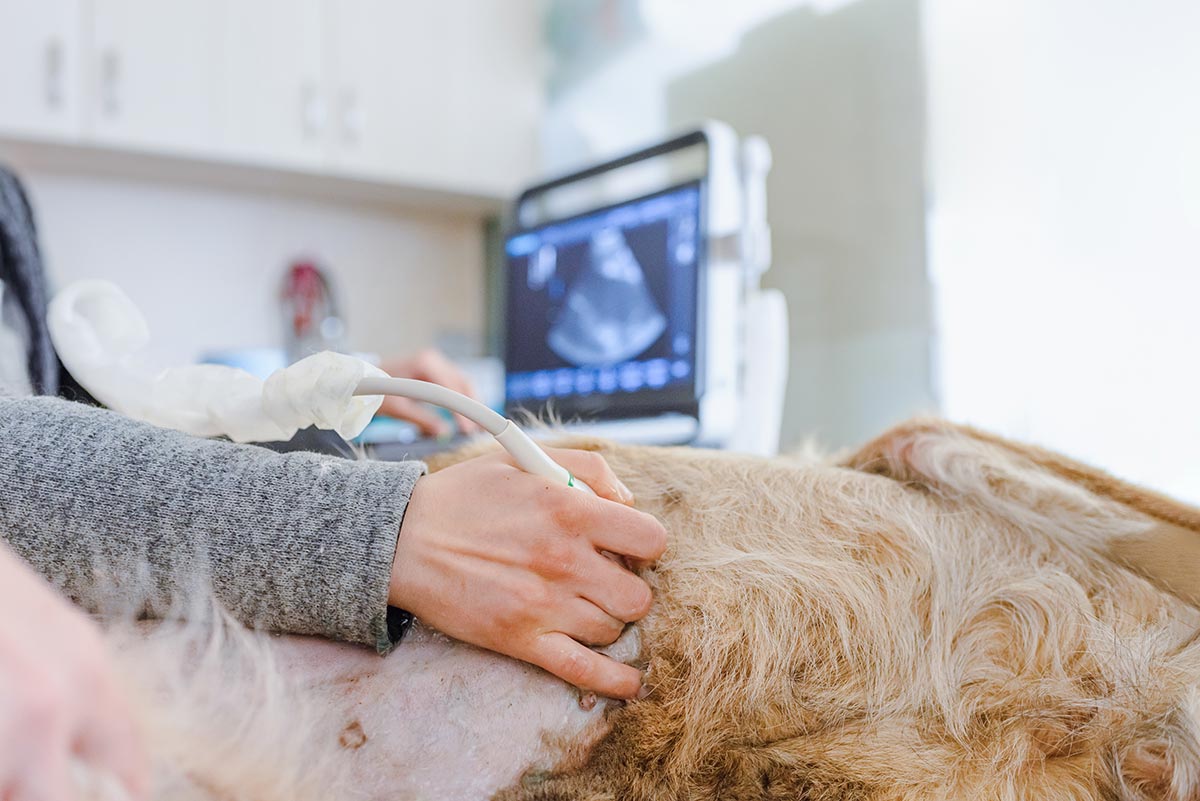
Ultrasound allows us to evaluate soft tissues and internal organs in greater detail than X-rays alone. Depending on your pet’s symptoms or previous test results, your veterinarian may recommend ultrasound to investigate abnormalities within the abdomen or an echocardiogram to take a closer look at the heart.
Plumtrees Animal Hospital offers access to both services through visiting specialists. A board-certified internal medicine specialist comes to our hospital every week for in-hospital consultations and ultrasound evaluations, while a visiting veterinary cardiologist is available twice each month for advanced cardiac assessments, including echocardiograms.
An echocardiogram is a specialized ultrasound of the heart that provides real-time images of its structure and function. It may be recommended when a pet has a heart murmur, abnormal rhythm, suspected heart disease, or a previously diagnosed cardiac condition that requires monitoring.
Having these advanced imaging services available at our Danbury animal hospital allows many pets to receive more specialized diagnostics while keeping their care connected with the Plumtrees team.

What Happens After My Pet’s Diagnostic Tests?
Once testing is complete, the next step is putting the findings into context. Our veterinarians consider your pet’s test results alongside their physical exam, symptoms, history, and any previous medical information. From there, we can explain what we found and what should happen next.
Depending on the results, the next step may involve:
- No immediate treatment with continued monitoring
- Additional diagnostic testing
- Medication or another form of treatment
- Dietary or lifestyle recommendations
- Follow-up bloodwork or imaging
- Consultation with a visiting specialist
- Surgery or another procedure when appropriate
If your pet needs veterinary diagnostics, call 203-748-8878 or request an appointment online. We’ll help determine which tests make sense and guide you through the next steps based on what we find.