Routine to Advanced Cat and Dog Surgery in Danbury, CT
Hearing that your pet needs surgery can bring a lot of questions at once. What does the procedure involve? How will anesthesia be monitored? What will recovery look like? And does your pet need a specialist?
At Plumtrees Animal Hospital, we provide cat and dog surgery for a range of routine and more complex needs. Our veterinarians in Danbury, CT perform many procedures in-house, while a board-certified veterinary surgeon can come to our animal hospital for select orthopedic and advanced soft tissue surgeries. That means many pets can receive the care they need in a familiar setting with a team that already knows their medical history.
If surgery has been recommended for your dog or cat, call Plumtrees Animal Hospital or request an appointment online to discuss the next step.

When Might My Dog or Cat Need Surgery?
Cat and dog surgery can be recommended for many different reasons. Some procedures are preventive, while others are used to treat injuries, relieve pain, remove abnormal tissue, or correct a condition that is interfering with normal function.
Your pet may need surgery for:
- Spaying or neutering
- A suspicious or uncomfortable mass
- Certain wounds or soft tissue problems
- A torn cranial cruciate ligament
- Orthopedic injuries or conditions
- Other conditions that cannot be effectively managed with medical treatment alone
Before recommending surgery, we consider the full picture. Depending on the concern, this may include a physical exam, bloodwork, imaging, or consultation with a visiting specialist.
What Types of Cat and Dog Surgery Does Plumtrees Animal Hospital Offer?
Plumtrees provides surgical care ranging from common procedures to advanced operations that require additional expertise.
Procedures we offer include:
- Spay and neuter surgery
- Mass and growth removals
- Other soft tissue procedures
- Orthopedic surgery
- TPLO surgery for certain cruciate ligament injuries
- Select advanced soft tissue surgeries performed with a visiting board-certified surgeon
The appropriate procedure depends on your pet’s diagnosis, overall health, and individual needs. Your veterinarian will explain why surgery is being recommended and whether it can be performed by the Plumtrees team or would benefit from the involvement of our visiting surgical specialist.
What Happens Before My Pet’s Surgery?
Before anesthesia, your veterinary team will review your pet’s health and make sure we have the information needed to plan the procedure safely. This is also your opportunity to ask questions. We want you to understand what is being done, why it is recommended, and what you can expect once your pet comes home.
Pre-surgical preparation may include:
- A physical examination
- Review of your pet’s medical history
- Pre-anesthetic bloodwork
- Additional diagnostic testing when needed
- Discussion of the planned procedure
- Review of anesthesia and pain management
- Instructions about food, water, medications, and arrival time
How Is My Pet Monitored During Surgery?
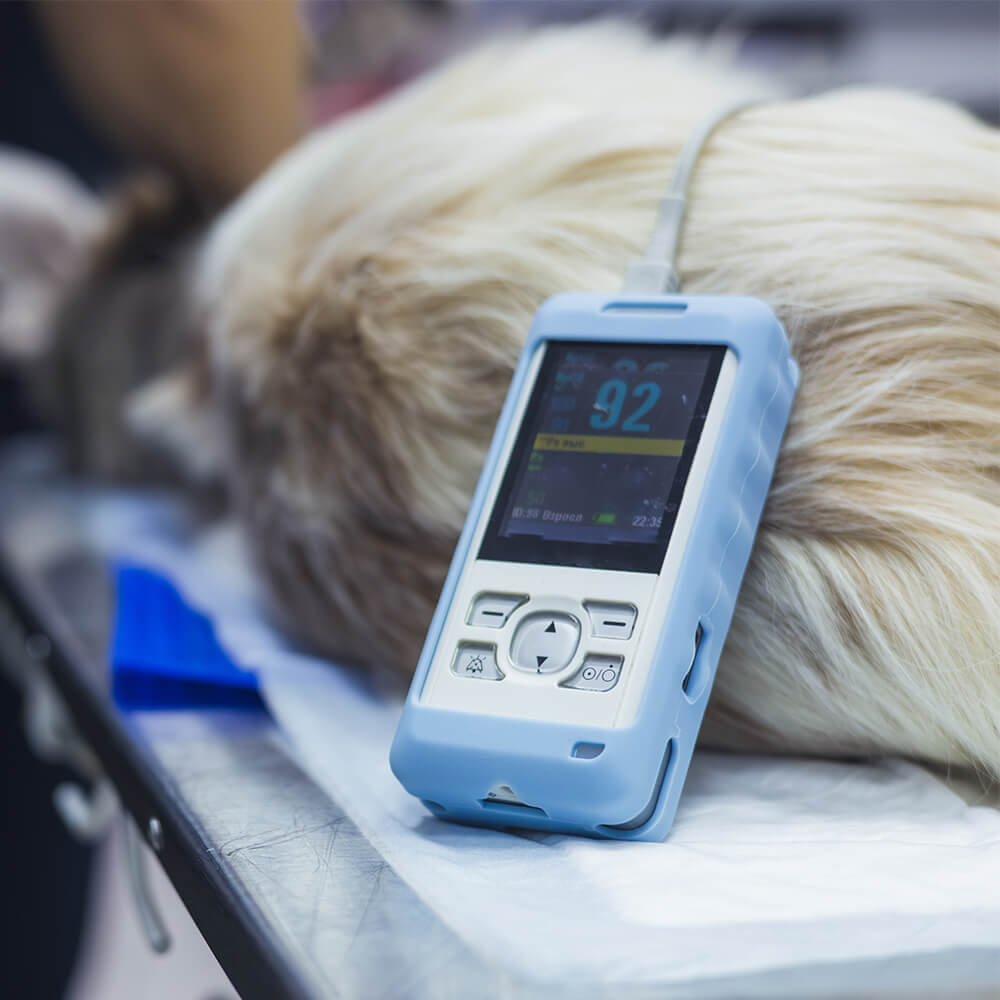
Anesthesia is not simply administered and left unattended. Your pet’s vital signs are monitored throughout the procedure so the surgical team can respond to changes as they occur.
At Plumtrees Animal Hospital, surgical monitoring includes:
- Blood pressure
- Blood oxygen levels
- Heart rate
- Respiratory rate
- Body temperature
- ECG monitoring
Your pet is also closely monitored as they recover from anesthesia. Our veterinarians bring post-doctorate training and emergency medicine experience to patient care, which is especially valuable when a surgical case requires quick assessment or a change in the treatment plan.
When Does a Board-Certified Veterinary Surgeon Become Involved?
Some procedures require equipment, techniques, or surgical experience beyond what is typically needed for routine operations. For select cases, Plumtrees works with a board-certified veterinary surgeon who performs procedures, such as TPLO, at our Danbury animal hospital.
Having a surgeon come to Plumtrees can allow qualifying patients to receive advanced care without needing to travel to an unfamiliar specialty hospital. Your Plumtrees veterinarian remains involved in the case and can help coordinate the diagnostic, surgical, and follow-up process.
How Long Does It Take a Dog or Cat to Recover From Surgery?
Recovery time varies considerably depending on the procedure, your pet’s age and health, and how well activity can be restricted at home.
Many soft tissue procedures require a relatively short period of incision healing, while orthopedic operations may require a much longer and more structured recovery. Even when a pet starts acting energetic again, internal tissues may still be healing.
Following your discharge instructions and keeping recommended recheck appointments are important parts of a successful recovery.
If your pet would benefit from surgery, call our team at 203-748-8878 or request an appointment online to discuss the procedure and next steps.