
A Healthier Smile with Cat & Dog Teeth Cleaning in Danbury, CT
Bad breath may be the first thing you notice, but dental disease often starts where you cannot see it: along and below the gumline. Pets can continue eating and acting normally even when painful dental problems are developing, which makes regular oral exams and professional cleanings an important part of preventive care.
At Plumtrees Animal Hospital, our cat and dog teeth cleaning services include a careful evaluation of your pet’s mouth and, in most cases, dental X-rays to look for disease hidden beneath the gums. If we identify damaged or diseased teeth, our Danbury, CT team can perform extractions when needed to address pain and infection rather than simply cleaning what is visible.
Call us at 203-748-8878 or request an appointment online to schedule your pet’s dental evaluation.

Why Does Regular Dental Care Matter for Dogs and Cats?
Professional dental care helps prevent plaque and tartar from progressing into periodontal disease, a condition that affects the gums and structures supporting the teeth.
As dental disease advances, pets may develop inflammation, infection, loose teeth, or oral pain. Oral bacteria can also leach into the bloodstream and travel to the heart, liver, and kidneys, causing systemic infection. Because many animals continue eating despite significant dental problems, waiting for obvious symptoms can allow disease to become more extensive before treatment begins.
Regular dental evaluations and cleanings can help:
- Remove plaque and hardened tartar
- Identify problems below the gumline
- Reduce inflammation and oral infection
- Address painful or damaged teeth
- Preserve healthy teeth when possible
- Improve overall comfort when eating and chewing
- Give your veterinarian a clearer picture of your pet’s oral health
How Can I Tell If My Pet Has Dental Disease?
Bad breath is common with dental disease, but it is far from the only sign. Changes can develop gradually, so it helps to pay attention to both your pet’s mouth and their everyday habits.
Signs of dental disease may include:
- Persistent bad breath
- Yellow or brown tartar on the teeth
- Red, swollen, or bleeding gums
- Drooling more than usual
- Pawing or rubbing at the mouth
- Difficulty chewing
- Dropping food while eating
- Chewing on one side of the mouth
- Avoiding hard food or treats
- Loose or broken teeth
- Swelling around the mouth or face
- Decreased interest in eating
Some pets show very few outward symptoms, even with significant disease. That is one reason we examine the mouth during routine wellness visits and recommend professional dental care when changes are found.
What Happens During a Professional Teeth Cleaning?
A veterinary dental cleaning is much more involved than removing visible tartar. While your pet is under general anesthesia to keep them still and protect their airway, our team thoroughly examines and cleanses every tooth, including the areas beneath the gums.
During your pet’s dental procedure, we will typically:
- Perform a Complete Oral Evaluation: We carefully examine the teeth and gums for periodontal disease, fractures, loose teeth, infection, and other abnormalities.
- Take Dental X-Rays: Dental X-rays are included with most professional dental cleanings. These images allow us to evaluate the tooth roots and surrounding bone, where significant disease can remain completely hidden during a visual exam.
- Clean Above and Below the Gumline: Plaque and tartar are removed from the visible tooth surfaces as well as below the gumline, where periodontal disease develops.
- Polish the Teeth: After cleaning, the teeth are polished to smooth the surfaces and remove small imperfections left behind during scaling.
- Treat Diseased Teeth When Needed: If X-rays and the oral exam reveal teeth that are severely damaged, infected, or painful, extractions may be recommended. Removing a diseased tooth can relieve discomfort and prevent an ongoing source of infection.
How Can I Protect My Pet’s Teeth After a Dental Cleaning?
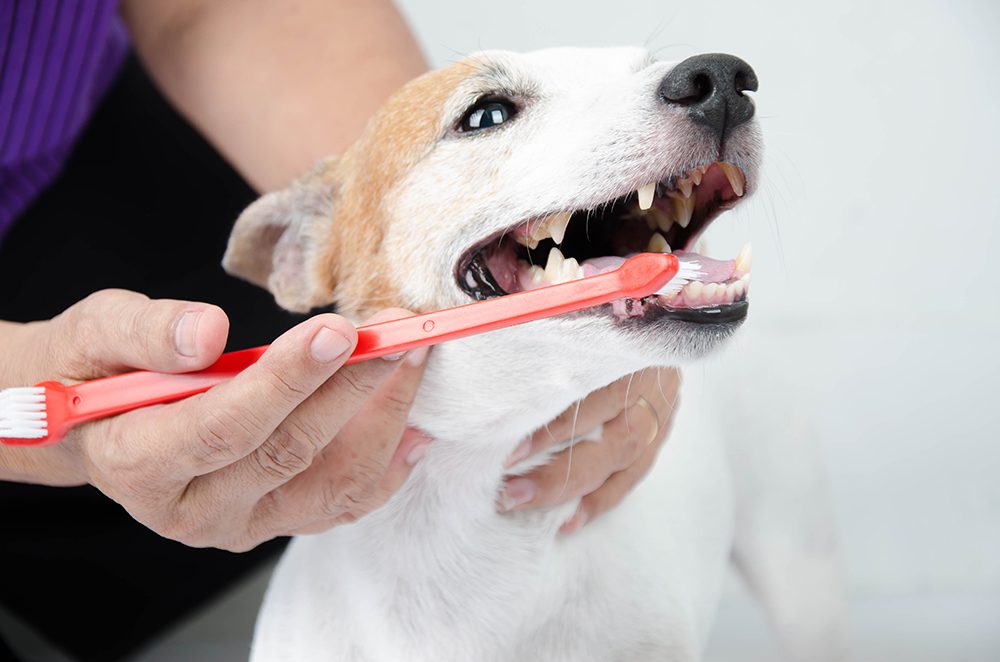
A professional cleaning gives your pet a healthier starting point, but plaque begins forming again afterward. Consistent home care can help slow that buildup and extend the benefits of the dental procedure.
Depending on what your pet will tolerate, your veterinarian may recommend:
- Brushing with a pet-safe toothpaste
- Veterinary-approved dental chews or treats
- Dental diets when appropriate
- Oral care products designed for pets
- Regular checks of the teeth and gums at home
- Routine veterinary dental evaluations
Toothbrushing usually provides the most direct way to remove plaque at home, but consistency matters more than choosing an elaborate routine your pet will not tolerate. Our team can help you find an approach that fits your pet’s temperament and your household.
Schedule your pet’s teeth cleaning appointment by giving us a call at 203-748-8878 or booking online.