

Why Is My Dog Breathing Fast?
Why is my dog breathing fast? Fast breathing in dogs, known as tachypnea, can be completely normal after exercise or excitement, but it can also signal pain, heat stress, or an underlying medical condition when it happens at rest. Trying to figure out why your dog is breathing fast can be stressful, especially when it’s happening while they’re simply lying on the couch. At Plumtrees Animal Hospital in Danbury, CT, our veterinary team wants to help pet owners understand the difference between normal, harmless fast breathing and the kind that warrants a closer look.
What Counts as Fast Breathing in Dogs?
A healthy dog at rest typically takes between 15 and 30 breaths per minute. When a dog’s breathing rate climbs noticeably above that range while they’re calm and not exercising, it’s considered fast breathing, and it’s worth paying attention to. You can check your dog’s resting respiratory rate at home by counting how many times their chest rises in 15 seconds and multiplying by four.
Breathing Fast vs. Panting: What’s the Difference?
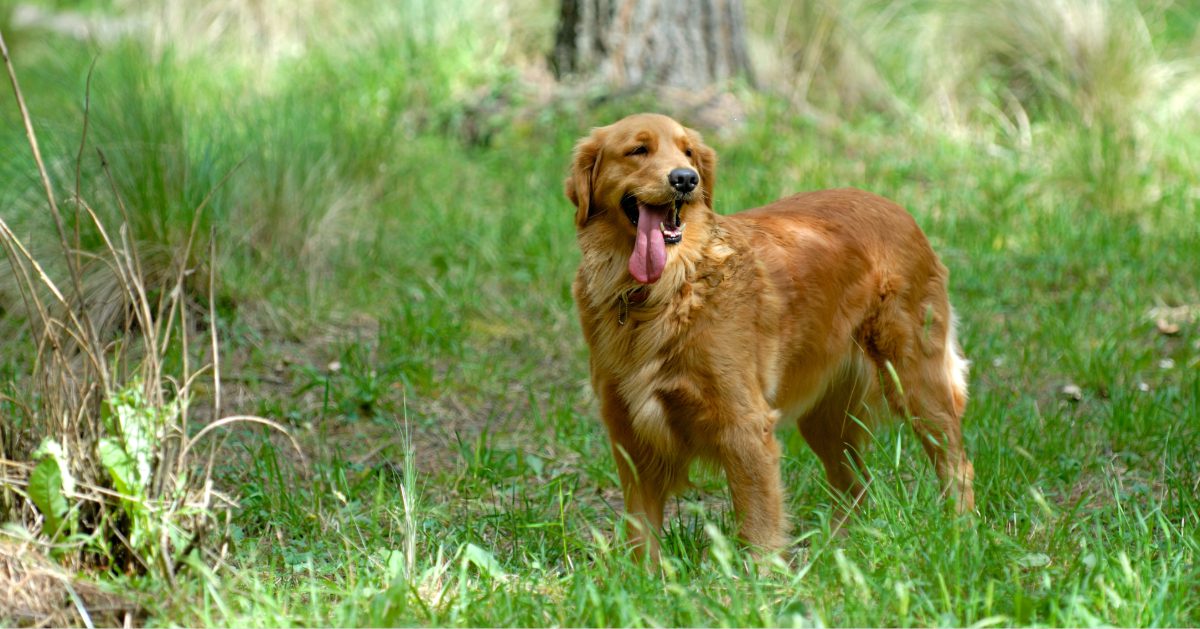
Pet owners often wonder whether their dog is simply panting or truly showing signs of a dog breathing fast. Panting is typically open-mouthed, shallow, and tied to an obvious trigger like heat, exercise, or excitement, and it usually resolves within a few minutes of rest. True fast breathing, by contrast, often occurs with the mouth closed, happens at rest with no clear cause, and doesn’t slow down the way normal panting does. Learning to tell the two apart is one of the most useful skills a pet owner can have when deciding whether to call Plumtrees Animal Hospital.
Why Is My Dog Breathing Fast? Normal Causes
Not every instance of a dog breathing fast points to a health problem. Common, harmless reasons include:
- Recent exercise, play, or excitement
- Warm weather or being in a hot car or room
- Stress or anxiety, such as during a car ride or thunderstorm
In these situations, fast breathing typically slows back down to normal within a short period once your dog cools down or calms down.
Dog Breathing Heavy- What Does It Mean?
When dog breathing heavy happens without an obvious trigger like exercise or heat, it often points to something going on internally that deserves veterinary attention. Some of the more common underlying causes our team at Plumtrees Animal Hospital evaluates include:
- Heat stress or heatstroke, particularly in warmer months or after time outdoors, can cause a dog to breathe rapidly as their body attempts to cool itself. This can escalate quickly and become a serious concern if not addressed.
- Pain, whether from an injury, dental issue, or internal discomfort, frequently causes dogs to breathe faster than usual, even when they aren’t showing other obvious signs of distress.
- Respiratory conditions, including pneumonia, bronchitis, or fluid in the lungs, can all cause a dog to breathe rapidly as their body works harder to get enough oxygen.
- Heart conditions, such as heart failure, often lead to fast breathing as fluid builds up in or around the lungs, making it harder for oxygen to move efficiently through the body.
- Anemia, or a low red blood cell count, can also cause fast breathing, since the body compensates for reduced oxygen-carrying capacity by breathing more rapidly.
Signs That Often Accompany Fast Breathing in Dogs
If your dog is breathing fast, it helps to note whether any of these additional symptoms are present:
- Coughing or wheezing
- Pale, blue, or gray gums
- Restlessness or difficulty getting comfortable
- Lethargy or reluctance to move
These accompanying signs can help our veterinary team at Plumtrees Animal Hospital determine how urgently your dog should be seen and what testing may be needed.
When Should I Worry About My Dog Breathing Fast?
While occasional fast breathing tied to heat or activity usually isn’t cause for alarm, you should contact Plumtrees Animal Hospital if your dog is:
- Breathing fast while completely at rest, with no clear trigger
- Showing labored or open-mouth breathing along with the fast rate
- Displaying pale, blue, or gray gums
- Appearing weak, disoriented, or unusually quiet
Fast breathing that persists for more than a few minutes without an obvious cause, or that’s paired with any of the signs above, should always be evaluated promptly.
How Plumtrees Animal Hospital Diagnoses the Cause
When you bring your dog in because of fast breathing, our veterinarians will start with a physical exam, listening closely to the heart and lungs and checking gum color and overall alertness. From there, depending on what we find, we may recommend:
- Chest X-rays to evaluate the lungs and heart
- Bloodwork to check for anemia, infection, or organ function issues
- Pulse oximetry to measure how well oxygen is circulating through the body
This approach helps our team pinpoint exactly why your dog is breathing fast so we can recommend the most effective treatment.
Monitoring Your Dog’s Breathing at Home
For dogs with a known heart or respiratory condition, tracking resting respiratory rate at home can be a valuable early-warning tool. Counting breaths for 15 seconds and multiplying by four, ideally while your dog is asleep or fully relaxed, gives you a simple baseline number to compare against future readings. A gradual increase in this number over several days is worth mentioning at your dog’s next visit to Plumtrees Animal Hospital, even if your dog otherwise seems fine.
Helping Your Dog Breathe Comfortably
Once an underlying cause is identified, treatment is tailored to your dog’s specific diagnosis and can range from simple cooling measures for heat-related fast breathing to medication or oxygen support for more serious respiratory or heart conditions. Our team will guide you through what to expect at each step.
Contact Plumtrees Animal Hospital About Your Dog’s Breathing
If your dog is breathing fast without an obvious explanation, or if you’re seeing any of the warning signs described above, call Plumtrees Animal Hospital in Danbury at (203) 748-8878 right away. Our veterinary team is here to help you figure out what’s going on and get your dog the care they need.
Recent Posts
About Us
At Plumtrees Animal Hospital in Danbury, CT, we combine the familiarity of a local, family-owned practice with advanced diagnostics, emergency care, and access to visiting veterinary specialists.